Category: Branding & Strategy

Humans have been telling stories for thousands of years. Long before written language, we gathered around fires sharing tales that entertained, educated, and connected us. This deep-rooted love of narrative hasn't changed. Today, the most successful brands understand that storytelling is the key to creating genuine emotional connections with their audiences.
At Extatic Design, we help brands discover and tell their unique stories. Let's explore why brand storytelling matters and how you can craft narratives that resonate with your customers on a deeper level.
Our brains are wired for stories. Research shows that narratives activate multiple areas of the brain simultaneously, including regions responsible for sensory experiences and emotions. Facts and statistics engage only the language-processing areas.
According to Stanford University research, stories are up to 22 times more memorable than facts alone. When you tell a story, your audience doesn't just understand your message; they experience it. This emotional engagement creates lasting impressions that facts simply cannot achieve.
A brand story isn't just your company history or a list of achievements. It's the complete narrative of who you are, why you exist, and the transformation you create for customers. It encompasses your values, your mission, and the emotional journey you invite customers to join.
Great brand stories have several key elements: a clear protagonist (often the customer or the brand itself), a challenge or conflict to overcome, authentic values that guide decisions, and a vision of transformation or success. These elements work together to create narratives that audiences want to be part of.
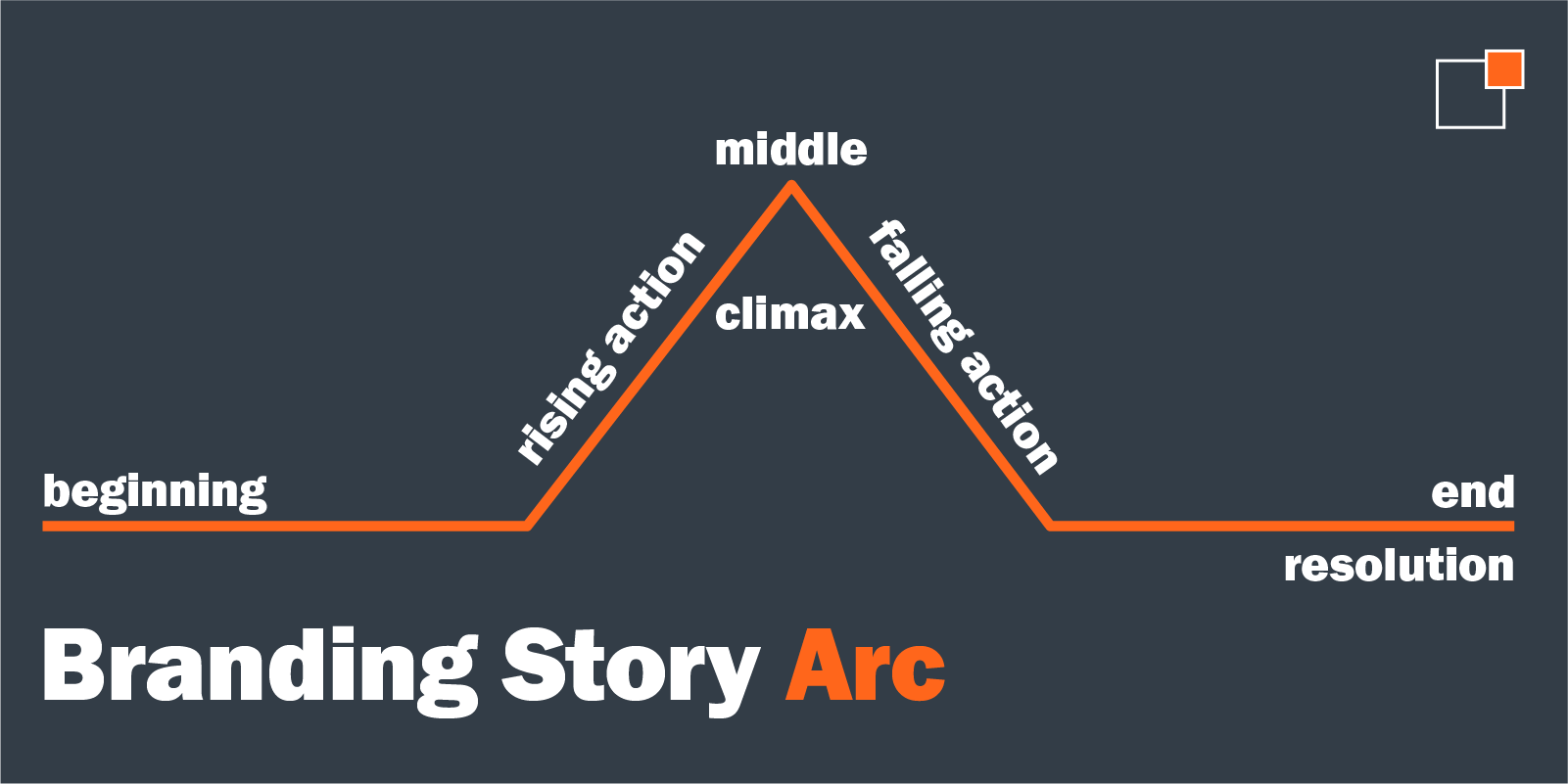
Every brand has an origin story waiting to be told. Why did your company start? What problem frustrated the founders enough to create a solution? What beliefs drove those early decisions?
Your origin story humanizes your brand. It transforms a faceless company into a relatable entity with purpose and passion. Share the struggles, the doubts, and the breakthroughs. Audiences connect with authenticity, not perfection.
The most powerful brand stories position the customer as the hero, not the brand. Your brand plays the role of guide or mentor, helping the hero overcome challenges and achieve their goals.
Think about it from your customer's perspective. They have problems to solve and dreams to achieve. Your brand story should show how you help them succeed. When customers see themselves in your story, they naturally want to engage with your brand.
Building an effective brand story requires intentional effort and clarity about who you are and who you serve.
Define Your Purpose: Why does your brand exist beyond making money? What change do you want to create in the world? Purpose gives your story meaning and direction.
Identify Your Values: What principles guide your decisions? Values create consistency and help audiences understand what your brand stands for.
Know Your Audience: Whose story are you joining? Understanding your audience's challenges, desires, and language helps you craft narratives that resonate.
Show Transformation: What does success look like for customers who engage with your brand? Paint a picture of the positive change you create.
Your brand story should permeate every touchpoint, adapted to fit different contexts while maintaining consistent themes and voice.
Your website's About page tells the foundational story. Social media shares ongoing chapters and behind-the-scenes moments. Marketing campaigns highlight specific aspects of your narrative. Customer testimonials let others tell your story from their perspective. Every interaction is an opportunity to reinforce and extend your brand narrative.

Audiences can spot inauthentic storytelling instantly. In an age of transparency and social media, brands that tell stories incongruent with their actions quickly face backlash.
Your story must be true. This doesn't mean hiding imperfections; it means being honest about who you are, including your struggles and growth areas. Authentic stories build trust. Manufactured stories destroy it.
Words are powerful, but visual elements amplify your story's impact. Colors, imagery, typography, and design all communicate narrative elements. Your visual identity should reflect and reinforce the story you're telling.
Photography style, illustration choices, video content, and even logo design contribute to your brand story. Ensure these visual elements align with your narrative rather than contradicting it.
Brand stories aren't static. As your company grows and evolves, your story should too. New chapters emerge through product launches, company milestones, and changing market conditions. The core themes remain constant, but the narrative continues developing.
Invite your audience into ongoing story development. Share updates, celebrate achievements together, and acknowledge challenges. An evolving story keeps audiences engaged over the long term.
Every brand has a story worth telling. The question is whether you're telling it intentionally or letting it be defined by others. Take control of your narrative, connect with your audience emotionally, and watch your brand relationships transform.
Ready to discover and tell your brand story? At Extatic Design, we help brands uncover their unique narratives and bring them to life through compelling design and strategy. Contact us today to start crafting a brand story that resonates with your audience. Let's create connections that last!